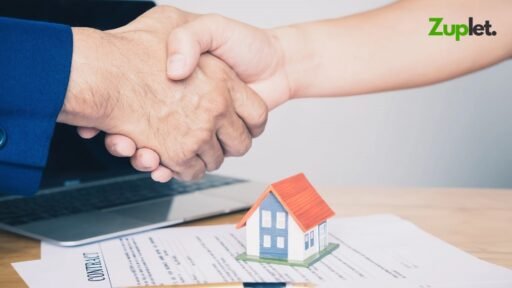


Buying a property is a significant life milestone—but it can also be one of the most stressful processes if you’re not well-prepared. Whether you’re a first-time buyer or an experienced investor, navigating the real estate market requires strategy, patience, and a solid checklist. So, how do you ensure that your home-buying journey is smooth and successful? This step-by-step guide will walk you through everything you need to know to make a smart, hassle-free property purchase.
Let’s dive in!
1. Assess Your Financial Readiness
Before you start scrolling through property listings or scheduling viewings, ask yourself: Am I financially ready to buy a property?
This step is crucial because buying property isn’t just about affording the listing price. You’ll also need to budget for:
• Down payment – Typically, 10% to 20% of the property’s price.
• Closing costs – These include legal fees, property transfer taxes, brokerage charges and inspection charges.
• Ongoing costs – Property taxes, homeowner’s insurance, and maintenance.
Take the time to evaluate your savings, monthly income, and credit score. A good credit score can help you secure a favorable mortgage interest rate, saving you thousands over time.
💡 Pro Tip: Use an online mortgage calculator to determine how much you can afford before speaking to lenders.
2. Get Pre-Approved for a Mortgage
Once your finances are in order, the next step is to get pre-approved for a mortgage. Why is this important? Sellers are more likely to take you seriously if you have pre-approval, as it shows you’re a serious buyer with financing ready.
When applying for pre-approval, lenders will look at your:
• Income and employment history
• Credit score and debt-to-income ratio
• Savings and assets
Having pre-approval in hand not only gives you a clear budget but also helps you move quickly when you find the right property.
3. Define Your Property Requirements
Knowing what you want in a property helps you focus your search and avoid wasting time on unsuitable options. Consider the following:
• Location – Proximity to work, schools, public transport, and amenities.
• Type of property – Apartment, builder floors, farm house, or plots and many type of properties.
• Size and layout – How many bedrooms and bathrooms do you need? Do you prefer an open-concept design?
• Future potential – Is the property in an area with strong growth potential?
Create a list of non-negotiables and “nice-to-haves” to keep your priorities clear.
4. Work with a Trusted Real Estate Agent
A knowledgeable real estate agent can be your greatest asset. They’ll not only help you find properties that match your criteria but also guide you through negotiations and paperwork.
When choosing an agent, look for someone with:
• Local market expertise
• Strong communication skills
• Positive client reviews
A good agent will make the buying process much smoother by anticipating challenges and helping you make informed decisions.
5. Visit and Inspect Properties
Once you’ve narrowed down your options, it’s time to visit properties in person. Pay attention to both the big picture and small details.
• Neighborhood feel – Walk around the area to see if it matches your lifestyle.
• Condition of the property – Look beyond aesthetics to assess structural soundness, plumbing, and electrical systems.
• Natural light and ventilation – These are key factors for comfortable living.
Consider hiring a professional home inspector to conduct a thorough check before making an offer.
6. Make a Smart Offer
When you’ve found the right property, the next step is to make an offer. Your real estate agent can help you determine a competitive offer based on:
• Recent sales of similar properties in the area
• Current market conditions (buyer’s market vs. seller’s market)
• Property’s condition and any needed repairs
Be prepared to negotiate with the seller, and don’t let emotions drive your decision. Stick to your budget and priorities.
7. Close the Deal
Once your offer is accepted, you’ll enter the closing phase. This involves:
1. Securing your mortgage – Finalize your loan agreement with your lender.
2. Completing legal paperwork – Your lawyer or conveyancer will handle the property transfer.
3. Paying closing costs – Be prepared to cover various fees, including taxes and insurance.
4. Final walk-through – Do a last-minute inspection to ensure the property is in agreed-upon condition.
After signing the final documents and making the necessary payments, you’ll receive the keys to your new home!
Conclusion: Your Hassle-Free Path to Homeownership
Buying property doesn’t have to be overwhelming if you follow the right steps. From assessing your financial readiness to closing the deal, each phase is crucial in ensuring a smooth purchase. By staying organized, doing your research, and working with trusted professionals, you’ll be well on your way to owning the home of your dreams.
Ready to start your property-buying journey? Keep this guide handy, and you’ll feel more confident with every step you take!