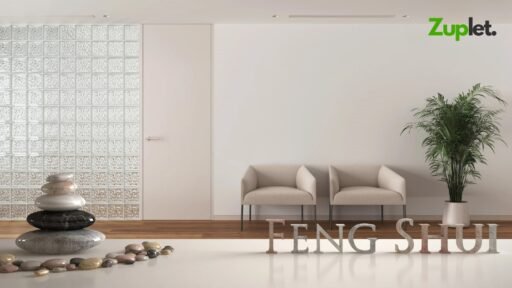


When it comes to creating a harmonious living space, two ancient practices often come to mind: Vastu Shastra and Feng Shui. Both aim to bring balance, positivity, and prosperity into your home, yet they stem from different philosophies and traditions. But how do you decide which one suits your needs best?
In this blog, we’ll break down the core principles of Vastu and Feng Shui, highlight their differences, and guide you in choosing the right approach for your home. Whether you’re building from scratch or looking to revamp your space, this guide will help you make an informed decision.
What is Vastu Shastra?
Vastu Shastra, meaning “science of architecture,” is a traditional Indian system that combines architecture, design, and energy flow. Rooted in Hindu philosophy, it emphasizes aligning a space with the five natural elements—earth, water, air, fire, and space—to harness positive energies.
Key Principles of Vastu:
1. Directional Importance: Each direction (north, south, east, west) is associated with specific energies and deities. For example, the north is linked to wealth, while the east represents growth and health.
2. Balance of the Five Elements: Vastu focuses on integrating the five elements in harmony to create a balanced environment.
3. Structural Recommendations: Placement of doors, windows, furniture, and rooms is guided by Vastu principles. For instance, kitchens are ideally located in the southeast corner, while bedrooms are best in the southwest.
What is Feng Shui?
Feng Shui, originating from ancient China, translates to “wind and water.” It’s all about creating harmony between your environment and your energy, or chi. Unlike Vastu, Feng Shui integrates modern lifestyle elements while emphasizing balance and flow.
Key Principles of Feng Shui:
1. Bagua Map: This energy map divides your space into nine zones, each representing areas of life like wealth, relationships, and health.
2. Yin and Yang: The balance between opposing forces, such as light and dark or active and passive, is vital to Feng Shui.
3. Focus on Furniture Placement: Proper positioning of furniture ensures the smooth flow of chi. For example, beds and desks should face the door but not directly align with it.
Key Differences Between Vastu and Feng Shui
Aspect Vastu Shastra Feng Shui
Origin India China
Philosophy Elemental alignment and cosmic energy Energy flow and balance of chi
Directional Focus Fixed directions (north, south, etc.) Relative directions based on Bagua map
Flexibility Traditional and strict Flexible and adaptable
While Vastu relies on set rules for design and structure, Feng Shui allows for adjustments based on personal preferences and existing layouts.
How to Choose the Right One for Your Home
1. Understand Your Goals:
Are you focused on aligning with spiritual and cosmic energies (Vastu) or improving the flow of energy in a flexible way (Feng Shui)?
2. Assess Your Current Space:
Vastu might be ideal if you’re constructing a new home and can implement its guidelines from scratch. If you’re working with an existing layout, Feng Shui offers more adaptability.
3. Cultural Preferences:
Consider which philosophy resonates more with your personal beliefs and traditions.
4. Consult an Expert:
While you can explore basic principles, both practices benefit from expert advice. A certified Vastu consultant or Feng Shui practitioner can help optimize your space.
Final Thoughts
Both Vastu Shastra and Feng Shui offer timeless wisdom for creating spaces that nurture well-being and success. Choosing the right one depends on your goals, preferences, and the flexibility of your environment.
Remember, the ultimate aim is to create a home where you feel happy, balanced, and at peace. So, whether you lean towards Vastu’s ancient Indian principles or Feng Shui’s Chinese wisdom, the journey towards a harmonious living space starts with you.